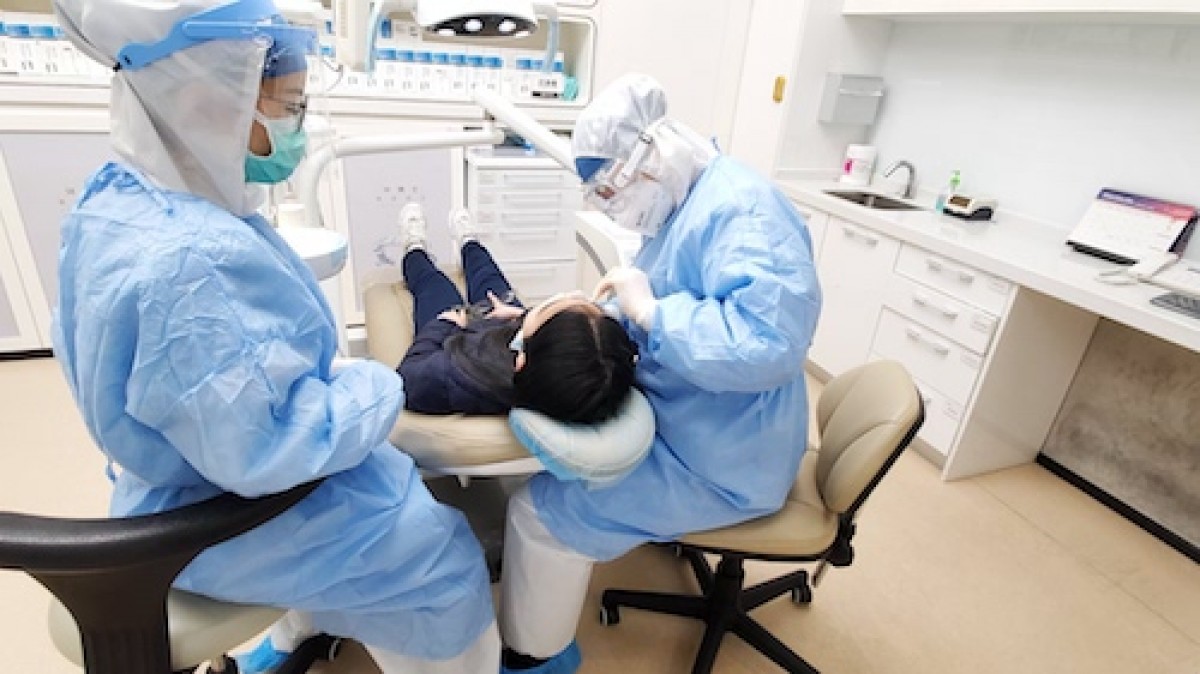
Shanghai has quietly become one of the world’s most attractive cities for dental tourism.
You get big savings vs. the US/UK, access to top-tier hospitals, and an easy 144‑hour visa‑free policy that lets you fly in, fix your teeth, and fly out within six days.
This guide breaks down realistic 2026 price ranges, where to go in Shanghai, and how to plan a short dental trip step‑by‑step.
Why Choose Shanghai for Dental Work?
If you search for “Shanghai dentist prices”, “Shanghai dental clinic English”, or “Shanghai dental implants cost”, you’ll see the same pattern:
patients are coming for quality equal to or better than Western clinics at 30–60% lower prices.
Key advantages of Shanghai for dental care:
-
High clinical volume, high skill
Busy public stomatology hospitals handle thousands of dental cases every day – from simple fillings to complex jaw surgery – which translates into very experienced clinicians. -
Modern equipment and materials
Leading Shanghai hospitals and premium private clinics use CBCT 3D scans, digital impressions, clear aligners, and imported implant systems (Swiss, Korean, etc.). -
Lower overall cost vs. US/UK
Government bulk‑buy policies and lower labor costs mean implants, crowns, and root canals are often a fraction of Western prices. -
Easy to combine with travel
With the 144‑hour visa‑free transit policy, you can schedule dental work plus a short city break without applying for a full Chinese visa.
Shanghai Dentist Prices vs. US/UK (2026)
Below is a rough comparison of typical 2026 price ranges.
Actual quotes will depend on the clinic, materials, and your specific case, but this table reflects what many medical tourists see on the ground.
All prices are per tooth unless stated otherwise and shown in USD for easier comparison.
| Procedure | Shanghai (Public / High-End Private) | United States (Typical) | United Kingdom (Typical Private) |
|---|---|---|---|
| Basic teeth cleaning (prophylaxis) | $25 – $60 | $120 – $200 | £70 – £120 |
| Deep cleaning / scaling & root planing | $80 – $180 | $300 – $800 | £200 – £450 |
| In‑office teeth whitening | $180 – $350 | $400 – $900 | £350 – £800 |
| Tooth‑colored filling (composite) | $60 – $150 | $200 – $400 | £120 – £300 |
| Root canal treatment (molar) | $180 – $350 | $900 – $1,500 | £450 – £900 |
| Zirconia crown | $280 – $550 | $1,000 – $1,800 | £650 – £1,000 |
| Single titanium implant (no crown) | $700 – $1,400 | $3,000 – $4,500 | £2,000 – £3,000 |
| Implant crown (porcelain / zirconia) | $350 – $700 | $1,200 – $2,000 | £700 – £1,200 |
How to read this:
- Public teaching hospitals in Shanghai are usually at the lower to mid end of the Shanghai range but can be hard to book and rarely rush appointments.
- High‑end private chains and international clinics sit at the upper end but still usually undercut US/UK prices significantly, especially for implants and crowns.
- Even if you factor in round‑trip flights and hotels, complex work such as multiple implants or a full‑mouth restoration can still be thousands of dollars cheaper than doing it at home.
Shanghai Top Three Dental Options (Public & Private with English Services)
When you search for “best dentist in Shanghai for expats” or “Shanghai dental hospital English”, three names appear again and again.
Here is a practical short‑list tailored to international patients.
1. Shanghai Ninth People’s Hospital – College of Stomatology (Public)
- Best for: Complex surgery, implants, jaw correction, and serious restorative work
- Why it matters: Often ranked among China’s top stomatology centers, with subspecialized departments for implants, oral surgery, orthodontics, and prosthodontics.
- What to expect:
- Very strong clinicians and evidence‑based treatment plans
- Modern imaging (CBCT, digital scanning) and access to advanced implant systems
- Some English‑speaking staff, especially in international or VIP clinics, but not everyone will speak fluent English
- Things to note for medical tourists:
- Appointments can book out weeks in advance
- Registration and queues in the general clinic area can be confusing without a local helper or translator
2. Shanghai Stomatological Hospital / University-Affiliated Dental Centers (Public)
- Best for: Root canals, periodontal treatment, cosmetic restorations, and general family dentistry
- Why it matters: University‑affiliated stomatology hospitals in Shanghai combine teaching, research, and clinical practice, which usually means good protocols and quality control.
- What to expect:
- Doctors experienced with a high case load across all routine treatments
- More budget‑friendly than premium expat clinics, while still using mainstream imported materials
- Limited but growing English support, often via international clinics or appointed coordinators
3. High-End Private Chains & International Clinics (Private)
- Best for: Short stays, busy schedules, and patients who want “Apple Store”‑style clinics with clear English communication
- Representative brands in Shanghai:
- Arrail Dental – multiple city‑center branches, friendly for expats, transparent online pricing for cleaning, whitening, and implants
- Bybo Dental – large national chain, often with English‑speaking doctors or coordinators in Shanghai flagship clinics
- International / expat clinics (e.g., dental departments inside international hospitals) – more expensive, but highly convenient for travelers
- What to expect:
- Online booking, WeChat appointment reminders, and shorter waiting times
- English consent forms, clearer cost breakdowns, and easier after‑care communication
- Prices typically higher than public hospitals but still well below US/UK levels
How to Use the 144‑Hour Visa‑Free Policy for a Dental Trip
Shanghai participates in China’s 144‑hour visa‑free transit program, which is ideal for dental travelers who only need up to six days in the city.
Basic idea:
You fly into Shanghai from a foreign country, stay up to 144 hours (6 days) in the designated region, get your dental work done, and then depart to a third country (not back to the exact same place you came from, in most cases) – all without applying for a regular visa in advance.
Important: Rules can change and depend on your nationality, itinerary, and airline. Always confirm details with your airline and the official Chinese immigration website before you travel.
Step‑by‑Step: Planning a 6‑Day Dental Trip
-
Confirm you are eligible
- Check if your passport country is on the 144‑hour visa‑free list.
- Book flights so that you arrive in Shanghai and depart to a different country (for example: Los Angeles → Shanghai → Tokyo).
-
Book dental appointments before you fly
- Contact your chosen Shanghai hospital or clinic via email, WeChat, or their English website.
- Explain that you are coming on a tight 6‑day schedule; ask if they can cluster consultation, imaging, and treatment into as few visits as medically safe.
-
Plan your treatment timeline
- Day 1–2: Consultation, X‑rays/CBCT scan, treatment plan, and basic work (e.g., cleaning, fillings, whitening).
- Day 3–4: Implants or root canals if indicated. Many clinics can place implants within a short window, but final crowns may require a follow‑up trip after healing (3–6 months).
- Day 5–6: Follow‑up checks, post‑op instructions, and extra time in case your dentist needs to adjust the schedule.
-
Prepare documents for immigration
- Print or save return/ onward flight tickets, hotel bookings, and (if available) a clinic appointment confirmation.
- On arrival, proceed to the 144‑hour visa‑free transit counter and clearly state your short medical visit and outbound destination.
-
Know what is realistic in 144 hours
- Very realistic: cleaning, whitening, fillings, many root canals, extractions, basic crowns, and initial implant placement.
- Less realistic as a one‑trip solution: full‑mouth rehab with multiple crowns/bridges and final implant crowns – often better split into two trips.
For a deeper breakdown of China’s transit rules and example itineraries, see our full visa explainer here: 144‑Hour Visa Policy Guide.
Practical Tips for Dental Tourists in Shanghai
-
Use keywords locals and expats search for
When researching clinics, try searches like “Shanghai dentist English speaking”, “Shanghai dental implant cost”, or “Shanghai dental hospital appointment”. These terms often surface more up‑to‑date expat reviews and English‑friendly clinics. -
Check credentials and departments
Look for “stomatology”, “oral & maxillofacial surgery”, or “implant center” on hospital profiles. These indicate a more specialized dental service rather than a generic outpatient clinic. -
Ask for a written treatment plan
Especially for implants and crowns, request a written quotation that lists: implant brand, crown material, number of visits, and follow‑up schedule. -
Plan for recovery time
Even though many procedures are minimally invasive, you may want a light sightseeing schedule and an extra “buffer day” before your outbound flight. -
Bring your previous records
Old X‑rays, CT scans, and dental charts can save time and help your Shanghai dentist avoid repeating unnecessary imaging.
Is Shanghai the Right Choice for Your Teeth?
If you are searching for “Should I get dental implants in Shanghai?” or “Shanghai vs. Bangkok for dental work”, the honest answer is: it depends on your case and your comfort level.
Shanghai works especially well if:
- You want high‑end, big‑city hospital quality with strong academic backing
- You are comfortable navigating a busy Chinese metropolis (or can use a medical travel agency / translator)
- You plan to combine your dental work with short‑term travel under the 144‑hour visa‑free policy
For many patients, the math is simple: a week in Shanghai + world‑class dentistry still costs less than a single major procedure at home – while giving you access to some of Asia’s best-trained dental specialists.