You finished your treatment. You have a pile of papers. You fly home. Disaster: Your insurance company rejects the claim because the paperwork is “Unofficial.”
As a legal professional, I see this happen constantly. Here is how to protect yourself.
The “Red Stamp” Rule (公章)
Hot Search Terms: China hospital official seal, Fapiao vs receipt
In China, a document is legally useless without a circular Red Stamp.
- The Prescription: Needs a stamp.
- The Diagnostic Report: Needs a stamp.
- The Invoice (Fapiao): Needs a stamp.
Check every single page before you leave the hospital window. If it’s black and white only, ask: “Where do I stamp this?” (Qing gai zhang).
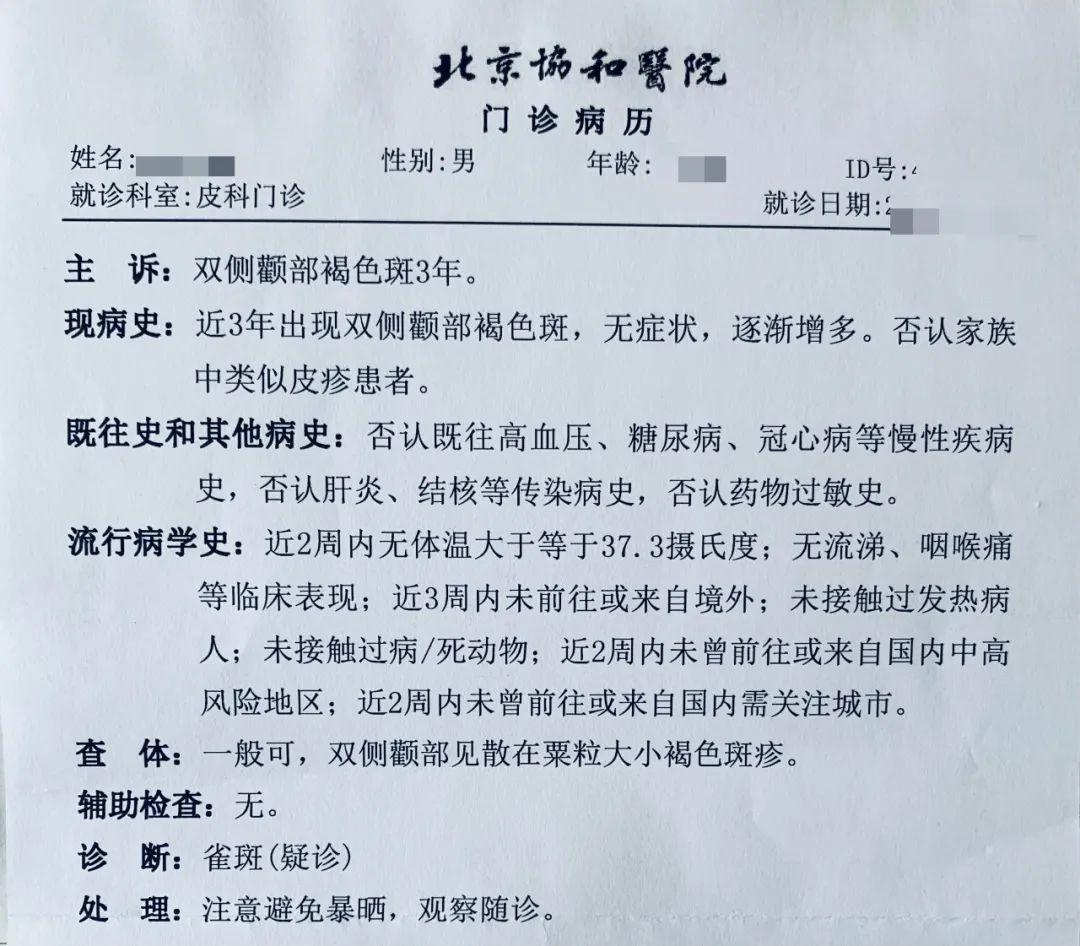
The “Bing Li” (Medical Book)
In public hospitals, doctors often write concise notes in a small paper booklet you keep.
- Problem: Doctors’ handwriting is notoriously illegible (it’s called “Grass Script” 狂草).
- Solution: Ask the doctor to type the diagnosis into the computer and print it out (Da Yin 打印). A printed, stamped A4 sheet is much better for translation and insurance than a handwritten booklet.
Translation & Notarization
If you need to use these records for a lawsuit or a major insurance claim abroad:
- Do not translate it yourself. Insurance companies reject “Self-translations.”
- Use a Taobao Service: Search
翻译(Translation). Send them a photo of your report. They will return a certified translation with a company seal for ~$20.
Summary:
- No Red Stamp = No validity.
- Ask for Printed Reports, not handwritten notes.
- Keep the Fapiao (the invoice), not just the credit card slip.